SR
SR EN
EN RU
RU


Coolcation Is Changing European Tourism: Where to Escape the Scorching Heat?

For years, there was an unwritten rule that summer vacations should be spent in the warmest possible destinations—by the sea, with high temperatures and as many sunny days as possible. However, the summer of 2026 has shown that travel habits are changing rapidly. Instead of heading to the Mediterranean, a growing number of European travelers are choosing the cooler north of the continent, seeking milder temperatures, nature, and a more relaxing holiday. This trend has even earned its own name: “coolcation.”
The term combines the English words cool and vacation, referring to travel to destinations with a milder climate during the summer months. The reason is simple: record-breaking heatwaves across much of Southern Europe are changing the way people plan their annual holidays.
WHO: Europe Is the Fastest-Warming Continent
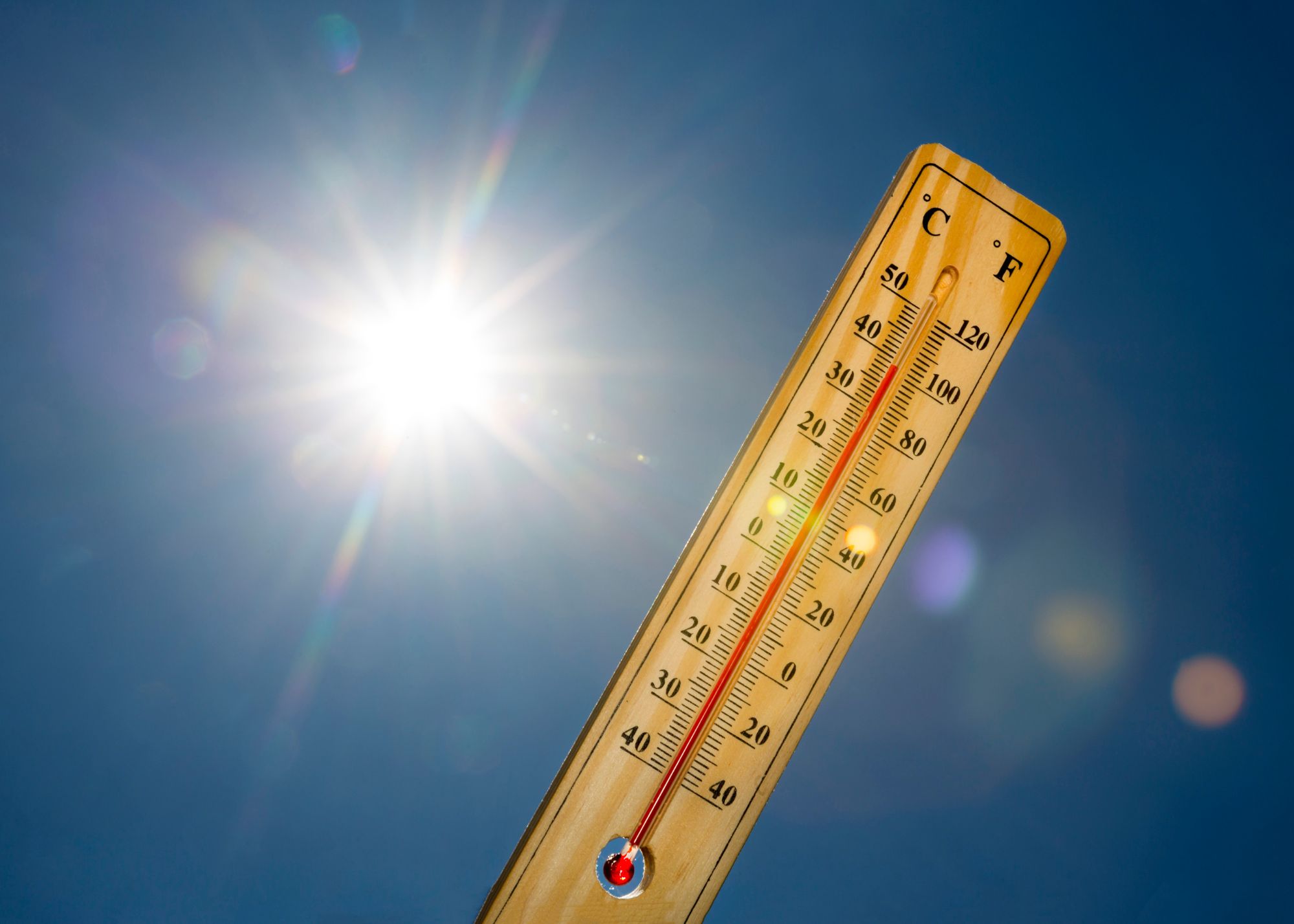
The record-breaking heatwave of June 2026 shattered temperature records in France, Germany, Poland, the Czech Republic, Hungary, Spain, Austria, Switzerland, the Netherlands, and the United Kingdom. In France alone, authorities estimated that more than 1,000 additional deaths occurred during the extreme heat. The Director-General of the World Health Organization, Tedros Adhanom Ghebreyesus, warned that Europe is “the fastest- warming continent on Earth.”
Analyses by the European Commission’s Transition Pathways for Tourism platform, along with research on the “coolcation” phenomenon published in scientific journals, suggest that climate change will permanently alter the seasonality of travel. For example, Australian travelers—long known for their love of European holidays—are increasingly reconsidering summer trips to Europe due to the disruption caused by heatwaves and record-breaking temperatures, according to Australian media reports.
New Destinations: Spring-Like Weather in the Middle of Summer
In some cities, daily life nearly comes to a standstill during periods of extreme heat, while tourists are increasingly abandoning long sightseeing tours of cultural landmarks. As a result, travelers are looking for destinations where they can spend the entire day outdoors without enduring exhausting temperatures that pose health risks. Places once considered ideal only for spring or autumn are now becoming popular summer destinations, while traditional Mediterranean resorts are increasingly relying on the shoulder seasons before and after peak summer.
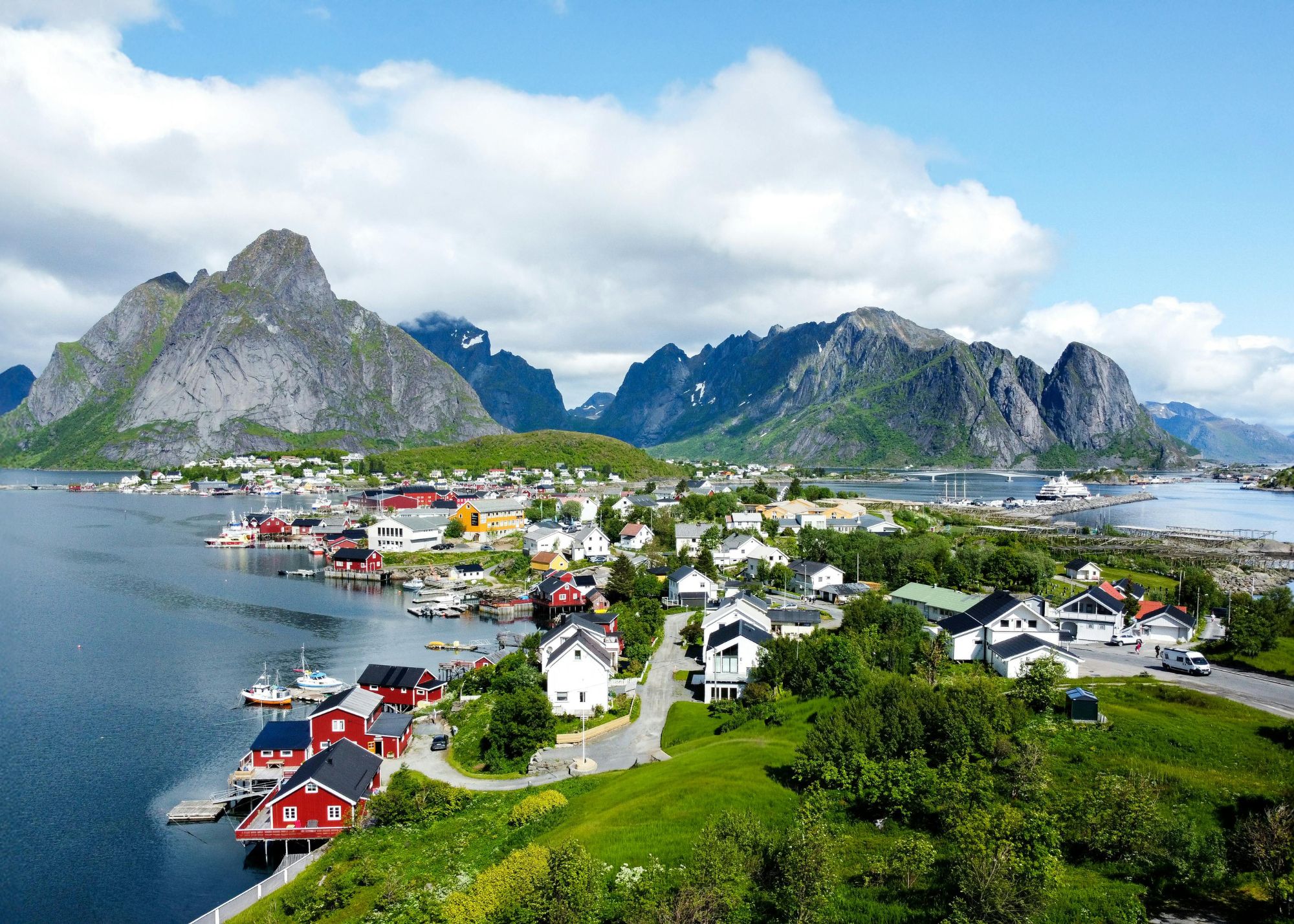
The strongest growth in demand has been recorded in Northern Europe. Iceland, Norway, Sweden, Finland, Denmark, and Scotland are no longer reserved solely for winter travel or nature enthusiasts. During July and August, they offer temperatures between 18°C and 24°C (64°F–75°F), long daylight hours, almost continuous daylight in the far north, and a wide range of outdoor activities.
According to travel analysts and booking platforms, searches for trips to Northern Europe have increased significantly following this year’s heatwaves. Gothenburg, Stockholm, Reykjavík, Bergen, and Copenhagen stand out as particularly popular among travelers seeking a more comfortable climate and fewer crowds.
Why Are Travelers Choosing “Coolcations”?
Lower temperatures are only part of the appeal. More and more tourists are looking for active holidays that include hiking, cycling, mountain trekking, kayaking, wildlife watching, or exploring cities without having to spend most of the day indoors in air-conditioned spaces. At the same time, Northern Europe generally offers fewer crowds than the Mediterranean’s most popular destinations, making for a more enjoyable travel experience.
Travel analysts point out that the “coolcation” trend is not merely a response to climate change but also part of a broader shift in traveler preferences toward authentic experiences, nature, sustainability, and overall quality of stay rather than the traditional beach vacation.
Is the Mediterranean Losing Its Appeal?
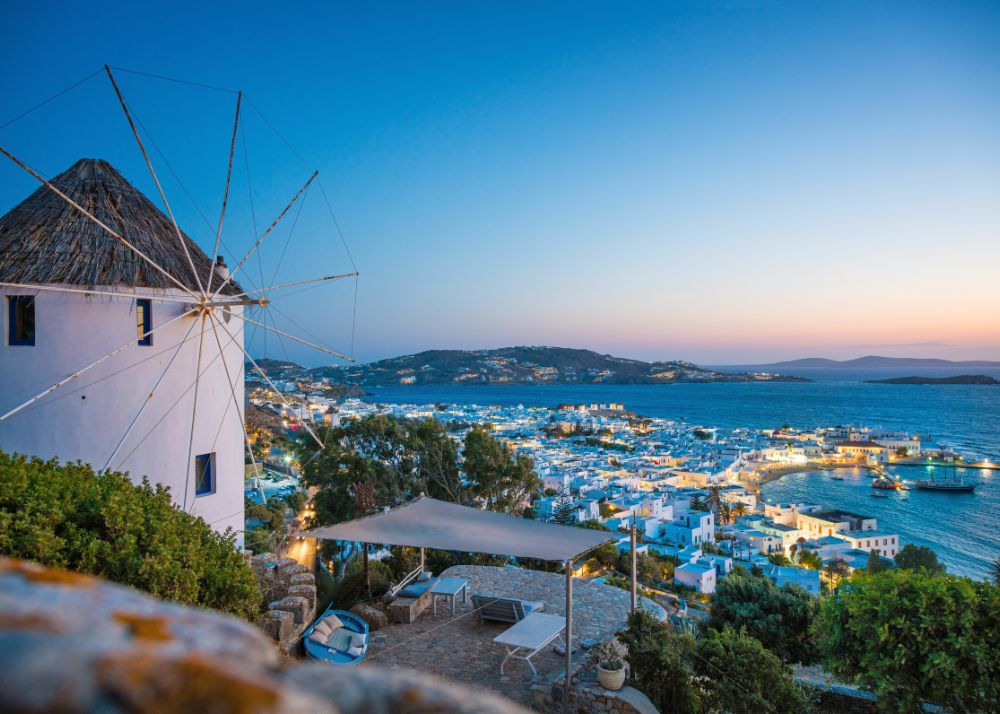
The answer is no. Spain, Italy, Greece, Croatia, and Portugal remain among Europe’s most visited destinations. What is changing, however, is the timing of travel. Travel agencies are reporting increasing numbers of bookings for April, May, September, and October, when temperatures are more comfortable, while Northern Europe is attracting a growing share of summer visitors who previously would have traveled almost exclusively to Mediterranean destinations.
This means that Europe’s tourism season is not shrinking—it is simply becoming more evenly distributed throughout the year. Experts believe that the “coolcation” trend could therefore contribute to more sustainable tourism development across Europe while reducing pressure on the continent’s most overcrowded destinations.
Serbian Tourists Are Shifting Their Holidays to September
In recent years, an increasing number of travelers from Serbia have chosen Iceland, Norway, Scotland, and the Baltic countries for their summer holidays, while city breaks to Copenhagen, Dublin, and Edinburgh are increasingly combined with nature-focused experiences.
At the same time, more Serbian tourists are postponing their traditional seaside vacations until September, when temperatures are milder, prices are lower, and crowds are significantly smaller. For this reason, “coolcation” is no longer just a passing marketing buzzword—it is a clear indication that climate change is already influencing the way people plan their holidays today.